
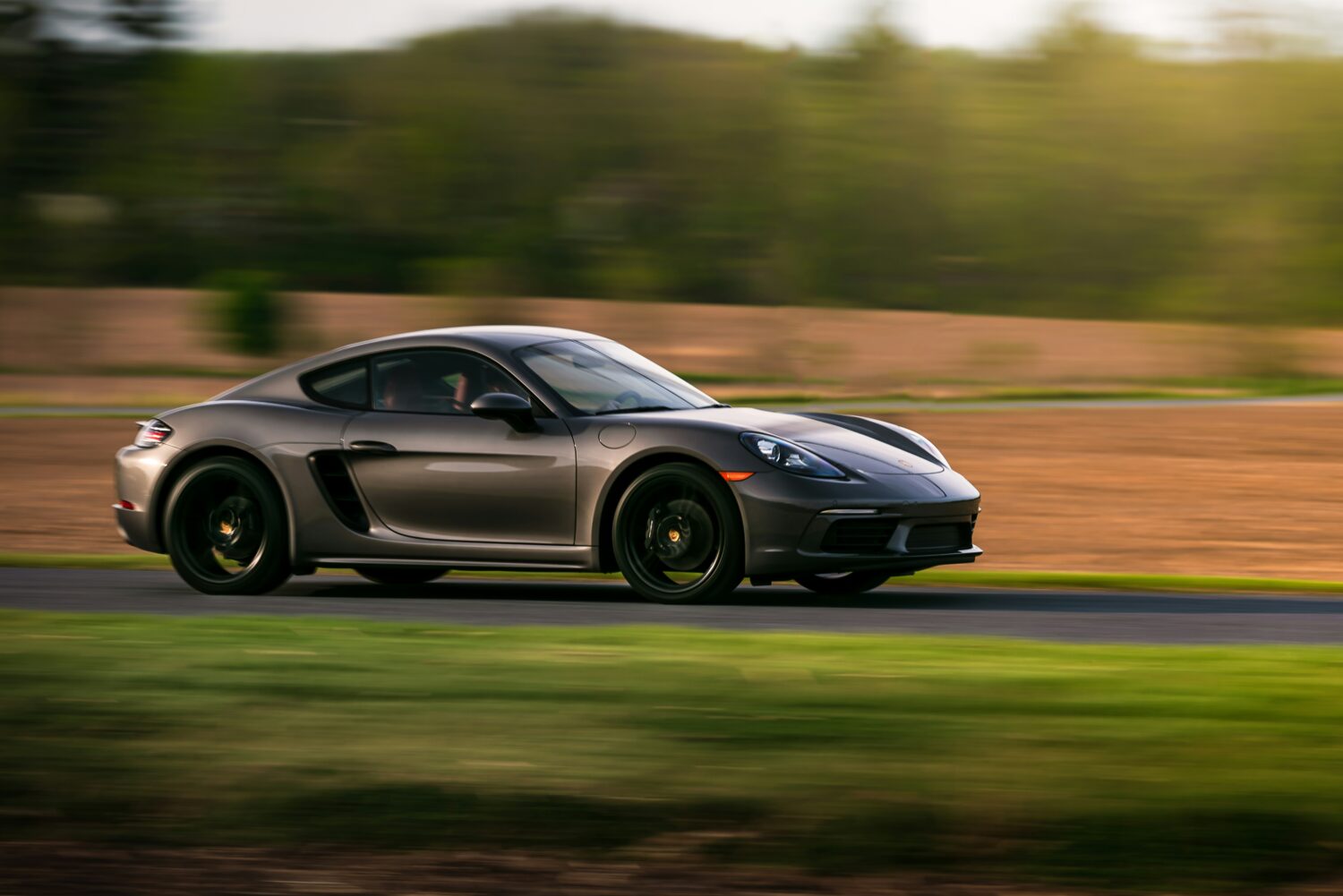
Driving sometimes feels like being in a fishbowl. Strangers peer into your vehicle at stoplights. People stare through your windows in parking lots. Drive-thrus feel uncomfortably exposed. You want privacy. Window tint delivers it. But every state has strict laws that must be followed. Get it wrong and you are looking at tickets, forced removal, and wasted money.
Here is what you need to know before you tint.
Understanding VLT: The Number That Matters
VLT stands for Visible Light Transmission. It tells you how much light passes through the film. Lower numbers mean darker tint. A 20% VLT blocks more light than a 50% VLT. State laws specify the minimum VLT allowed for each window on your vehicle. Front side windows, rear side windows, and the back windshield each have separate rules. Those rules vary significantly from state to state.
Why Tint Laws Exist
Front windows face the strictest regulations for good reason. Officer safety during traffic stops depends on visibility into the vehicle. Driver visibility is also a real safety concern at night and in low-light conditions. Rear windows typically allow much darker tint. Some states permit 20% on rear windows while requiring 35% or more on the front. The logic is consistent across most state laws even when the specific numbers differ.
How States Compare in 2026
Strict states require 35 to 50 percent VLT or higher on front side windows. California, New York, and Pennsylvania fall into this category. These states offer less flexibility but still allow meaningful tint on rear windows.
Moderate states allow 30 to 35 percent VLT on front windows. Texas, Florida, and many Midwest states fall here. There is more room for visible privacy at the front without crossing legal lines.
Lenient states permit 20 to 28 percent or darker on front windows. Arizona, New Mexico, and several Southern states give drivers significantly more options. Even at legal limits, the privacy benefit is noticeable.
You must verify your specific state laws before installation. Laws change. What was legal two years ago may not be legal today. For a full breakdown by state, visit the Window Film Pros state laws page at windowfilmpros.com.
Why Ceramic Tint Is the Smarter Legal Choice
Ceramic tint performs where others fall short. It delivers maximum heat rejection and blocks 99 percent of UV rays. It does this without requiring an extremely dark film. You get privacy through light reduction and a subtle one-way effect. All of it stays within legal VLT limits. Ceramic film does not interfere with GPS, phone, or radio signals. It will cost more than standard film. The performance at legal limits makes it worth the investment.
Traditional dyed or metallic films need to go darker to match ceramic’s heat rejection. That pushes them toward illegal territory. They also fade over time and can block electronic signals. At legal VLT levels, they simply do not perform as well.
Smart Privacy Strategies Within Legal Limits
Most vehicles come with factory privacy glass on rear windows. That glass does not count against VLT laws in most states. Combining legal front tint with darker legal rear tint maximizes privacy throughout the vehicle. Ceramic tint’s superior glare reduction adds a privacy feel even at higher VLT numbers. A windshield sun strip at the top provides additional protection without violating laws.
The Consequences of Illegal Tint
Tickets range from $100 to $500 or more depending on your state. Many states require removal and reinstallation of legal film. That means paying twice. Some states fail vehicles with illegal tint during inspections. Illegal tint can serve as probable cause for a traffic stop. Multiple illegal windows can compound into multiple violations.
Medical Exemptions
Some states allow darker tint for documented medical conditions. Photosensitivity, lupus, and skin cancer history are common qualifying conditions. A doctor’s documentation and a special permit are typically required. Exemption rules vary by state. A professional installer familiar with your state can guide you through the process.
Why Professional Installation Matters
Certified installers know current state laws and stay updated when they change. They guarantee legal compliance and provide documentation of your VLT. Quality films come with warranties. Proper installation prevents bubbling and peeling over time. A tint meter verifies your VLT before you leave the shop. That documentation protects you during any enforcement encounter.
DIY kits and cheap shops do not offer that. Pre-cut kits rarely account for your specific state laws. Amateur installation fails quickly. There is no compliance guarantee. Redoing a bad tint job costs more than professional installation from the start.
Enforcement Is Real
Officers carry tint meters and use them. Visibly dark tint invites traffic stops. Enforcement varies by area but legal tint means zero stress anywhere you drive. That peace of mind alone is worth doing it right.
Get Your Tint Done Right
Privacy is a reasonable thing to want in your vehicle. You can have it without the risk. Work with a certified installer who knows your state laws. Ask for a legal compliance guarantee. Choose ceramic film for the best performance at legal limits. Request VLT documentation for your records.
Contact us to schedule a window tint consultation. We will match you with the right film for your state, your vehicle, and the level of privacy you are looking for.
Need Car Tinting or Vehicle Upgrades Near You?
Tint Works & Car Audio proudly serves drivers all across Central Ohio — offering expert window tinting, paint protection film, car audio upgrades, remote starters, and more from our single location.
Proudly serving customers from:
Contact us today for a free quote