
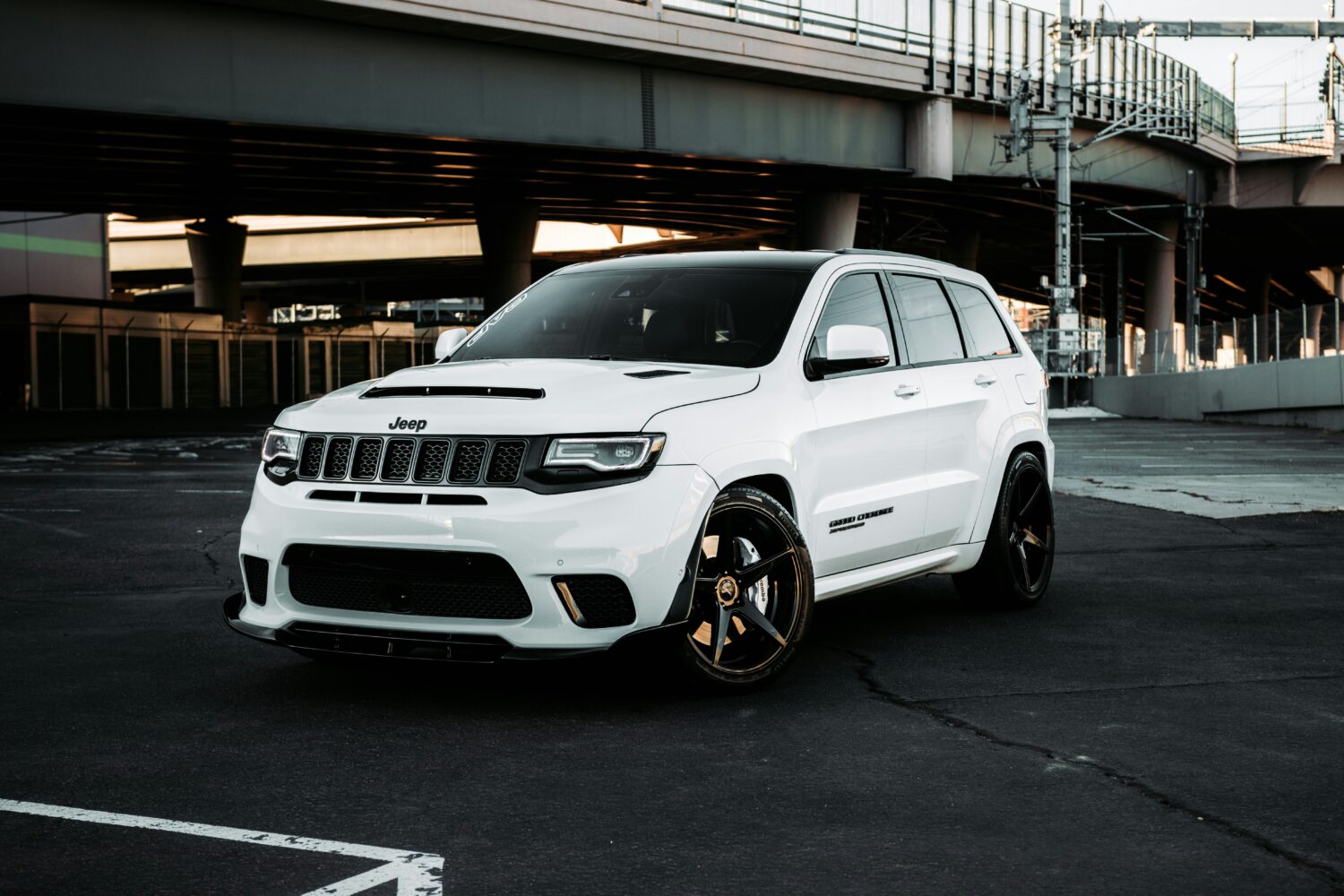
Walk into any tint shop and ask what shade you should choose. You will get different answers based on installer preferences, not your actual needs. Understanding how dark each option really is helps you make a smarter decision. The difference between 35% and 20% VLT goes beyond appearance. It affects your safety, your legal standing, and your everyday driving experience.
What VLT Percentages Actually Mean
VLT stands for Visible Light Transmission. The number tells you how much light passes through the film. Lower numbers mean deeper shade because less light gets through. A 35% film allows 35% of visible light to pass (blocking 65% of visible light). A 20% film allows only 20% through, blocking a full 80%. Many people assume higher numbers mean deeper shade. That misconception leads to incorrect choices at the counter.
35% Tint: The Daily Driver Standard
During the day, 35% delivers solid privacy without compromise. Passersby cannot easily see into your vehicle from a normal distance. Valuables remain hidden from casual observation in the parking lot. You get personal space while driving without feeling like you are in a fishbowl.
At night, 35% keeps your visibility comfortable and natural. Backing up, checking blind spots, and changing lanes all feel normal. Mirrors and rear windows provide enough visibility for confident night driving. Law enforcement can see inside if needed during a traffic stop. That visibility often prevents additional scrutiny or escalation.
Most states permit 35% on rear and back side windows. Front window rules vary, but many states allow 35% or require a slightly lighter figure. Compliance is generally easier with this shade level.
20% Tint: Maximum Privacy With Real Tradeoffs
Privacy increases dramatically at 20% shade. Even in daylight, seeing into the vehicle requires close proximity and deliberate effort. At night, the interior becomes nearly invisible from outside. For some drivers, that level of privacy is exactly what they want.
The tradeoffs are real, though. Looking out through 20% at night requires serious adjustment. Backing up in dark lots, monitoring mirrors on unlit roads, and checking blind spots during lane changes all become harder. Some drivers adapt without issue. Others genuinely feel unsafe. Professional tint shops report that customers who ignored advice and chose 20% often return complaining about night visibility. Customers who chose 35% almost never express regret.
Legality is another concern. Many states prohibit 20% even on rear windows. Enforcement varies, but the risk exists at every traffic stop. Out-of-state travel creates additional exposure since laws differ by state.
How Dark Should You Go? Use Case Breakdown
Your answer depends on how and when you use your vehicle.
Daily commuters who drive at night should prioritize 35%. Safe visibility matters more than maximum privacy in that scenario. Show cars and weekend vehicles rarely used after dark can handle 20% without the same risk. Rideshare and delivery drivers should strongly consider 35% or lighter for both safety and passenger comfort. Families with children often prefer 35% so kids can see out clearly at night. Urban drivers with street parking and theft concerns may find 20% worth the tradeoffs.
Does Shade Level Affect Heat Rejection?
This surprises many people. With modern ceramic films, shade has minimal impact on heat rejection. A 35% ceramic and a 20% ceramic from the same manufacturer typically differ by only 5 to 10% in heat performance. Ceramic technology blocks infrared radiation independently of how much visible light passes through. Choosing 35% over 20% does not mean you sacrifice meaningful heat protection. Base your shade decision on privacy and visibility, not heat assumptions.
The Hybrid Approach Most Professionals Recommend
Many vehicle owners split their shade by window position. Front windows receive 35% or lighter for driver visibility and legal compliance. Rear side windows and the back glass get 20% for maximum privacy. Drivers do not look through those windows while operating the vehicle, so the visibility tradeoff is far less significant. This layered approach balances privacy, legality, and safety effectively.
How Dark Is Too Dark for Aesthetics?
Vehicle appearance is personal. Some owners love the aggressive, bold look of 20% shade. Others prefer the cleaner, more subtle appearance of 35%. Neither is objectively better. Worth considering, though: 20% immediately signals heavy modification. A 35% film delivers real benefits without drawing attention. That distinction matters if you prefer understated styling.
Check Your State Laws Before You Commit
Tint laws vary significantly from state to state. Some allow 35% on all windows. Others restrict front windows to 50% or higher while permitting 35% on rear glass. A handful prohibit anything deeper than 35% even on back windows. Illegal tint can mean fix-it tickets, failed inspections, and complications at traffic stops.
Verify your state’s specific rules before choosing a shade. Check the complete breakdown at: https://columbusohiotint.com/ohio-window-tint-laws/.
Make Your Decision Count This Summer
June installations give you an advantage. Long summer days let you experience privacy and comfort in the best light conditions first. You will have months of daytime driving before shorter winter days test your night visibility.
Ready to choose the right shade for your vehicle? Ask your installer about ceramic options at both levels. Request a night drive test if possible before committing. Your daily driving habits, your state laws, and your comfort behind the wheel at night should all shape your final decision.
Need Car Tinting or Vehicle Upgrades Near You?
Tint Works & Car Audio proudly serves drivers all across Central Ohio — offering expert window tinting, paint protection film, car audio upgrades, remote starters, and more from our single location.
Proudly serving customers from:
Contact us today for a free quote